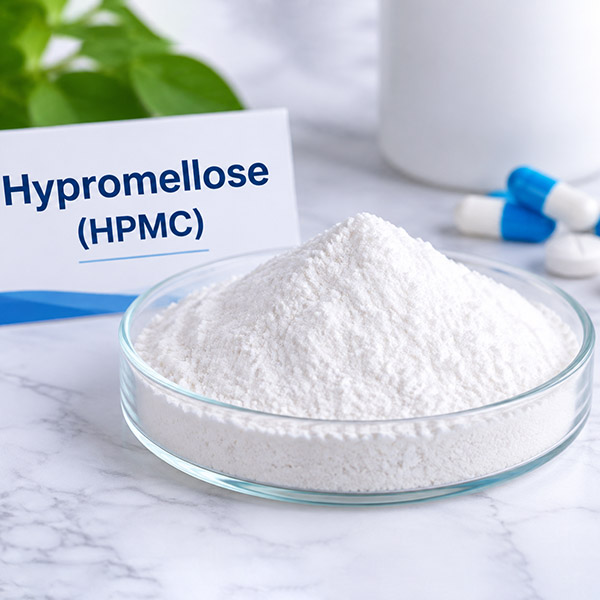
제약용 히프로멜로스 HPMC 분말

- Wonsen
- 중국
- 30일
- 항상 공급하세요
히프로멜로스(HPMC)는 정제 코팅, 결합제, 캡슐 껍질 및 서방형 제제에 널리 사용되는 제약 부형제인 다용도 셀룰로스 에테르입니다. HPMC의 응용 분야 및 사양을 살펴보세요.
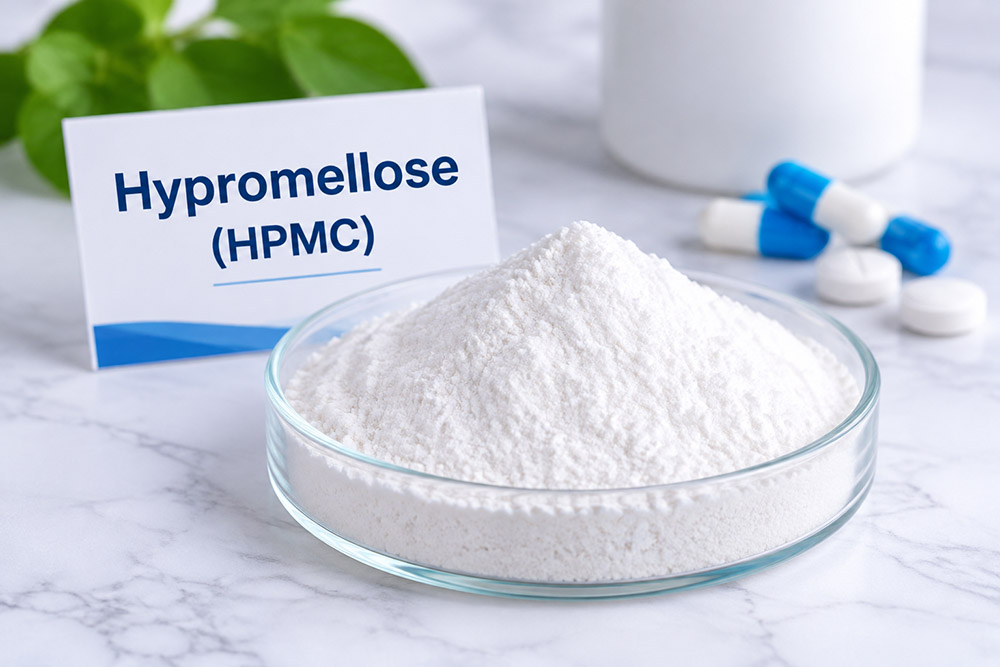
Hypromellose (HPMC)
Hypromellose, also known as Hydroxypropyl Methylcellulose (HPMC), is a versatile cellulose ether widely used in the pharmaceutical, food, and other industries. It is available in different viscosity grades and specifications to meet various formulation requirements.
In pharmaceutical manufacturing, Hypromellose serves multiple functions, including film coating, binding, thickening, and controlled-release formulation development.
Key Features of Hypromellose (HPMC):
Excellent Film-Forming Properties: Widely used in pharmaceutical tablet film coating to create a uniform protective coating.
Binding Performance: Helps improve powder adhesion and tablet formation in suitable formulations.
Viscosity Control: Available in different viscosity grades for various formulation requirements.
Controlled-Release Applications: Used in hydrophilic matrix systems to help regulate drug release.
Versatile Applications: Suitable for different pharmaceutical and industrial formulation processes.
Applications of Hypromellose:
Hypromellose is commonly used in:
Pharmaceutical tablet film coating
Tablet and granule binding
Controlled-release drug formulations
Pharmaceutical capsule shell production
Food thickening and stabilizing applications
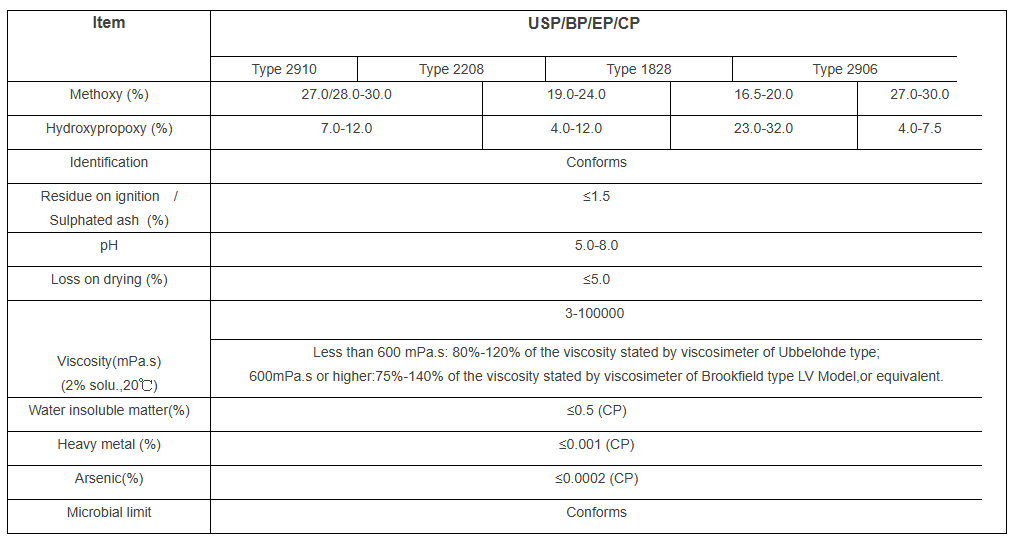
The appropriate HPMC grade depends on the intended application, viscosity requirements, substitution type, and applicable quality standards.
Cas No: 9004-65-3 HS Code: 39129000
Main Purpose: Tablet film coating, binders,main material of plant capsules.Slow and control release application for solid preparation.
Package: 25kg/fiber drum
Packing Size: D37cm*H53cm
G.W. 27.5kg
FAQs About Hypromellose (HPMC)
Q1: What is Hypromellose (HPMC)?
Hypromellose, also known as Hydroxypropyl Methylcellulose (HPMC), is a cellulose-derived polymer widely used in pharmaceutical formulations. It functions as a film-forming agent, binder, thickener, and controlled-release excipient.
Q2: What is Hypromellose used for in pharmaceutical manufacturing?
Hypromellose is commonly used in pharmaceutical tablet film coating, tablet binding, controlled-release formulations, and hard capsule shell production. Its specific function depends on the selected grade and formulation requirements.
Q3: Is HPMC the same as Hypromellose?
Yes. HPMC is the commonly used abbreviation for Hypromellose, also known as Hydroxypropyl Methylcellulose. These names refer to the same cellulose ether.
Q4: What are the main properties of Hypromellose?
Hypromellose offers excellent film-forming, thickening, and viscosity-modifying properties. It is also valued for its binding performance and ability to form hydrophilic matrices for controlled drug release.
Q5: Can Hypromellose be used for tablet coating?
Yes. Hypromellose is widely used as a film-forming polymer in pharmaceutical tablet coatings. It helps create a uniform coating layer and can improve tablet appearance and handling properties.
Q6: Is Hypromellose suitable for controlled-release formulations?
Yes. Certain viscosity grades of Hypromellose are used in hydrophilic matrix tablets. They form a gel layer when exposed to aqueous media, helping control the release of active pharmaceutical ingredients.
Q7: What is the difference between different HPMC grades?
Different HPMC grades vary in viscosity, methoxy and hydroxypropoxy substitution levels, particle properties, and other specifications. The appropriate grade should be selected according to the intended pharmaceutical application and formulation requirements.
Q8: How should Hypromellose be stored?
Hypromellose should generally be stored in a tightly sealed container in a cool, dry, and well-ventilated place. It should be protected from moisture and contamination. Always follow the supplier's recommended storage conditions.
Q9: What information should buyers check when purchasing pharmaceutical-grade HPMC?
Buyers should check the product's viscosity grade, substitution specifications, purity, moisture content, applicable pharmacopeial standards, Certificate of Analysis (COA), and other relevant quality documentation.
Q10: How can I choose the right Hypromellose supplier?
When selecting a Hypromellose supplier, consider product quality consistency, available grades, technical documentation, quality control procedures, supply capacity, and customer support. Requesting a COA and technical specifications is recommended before purchasing.